
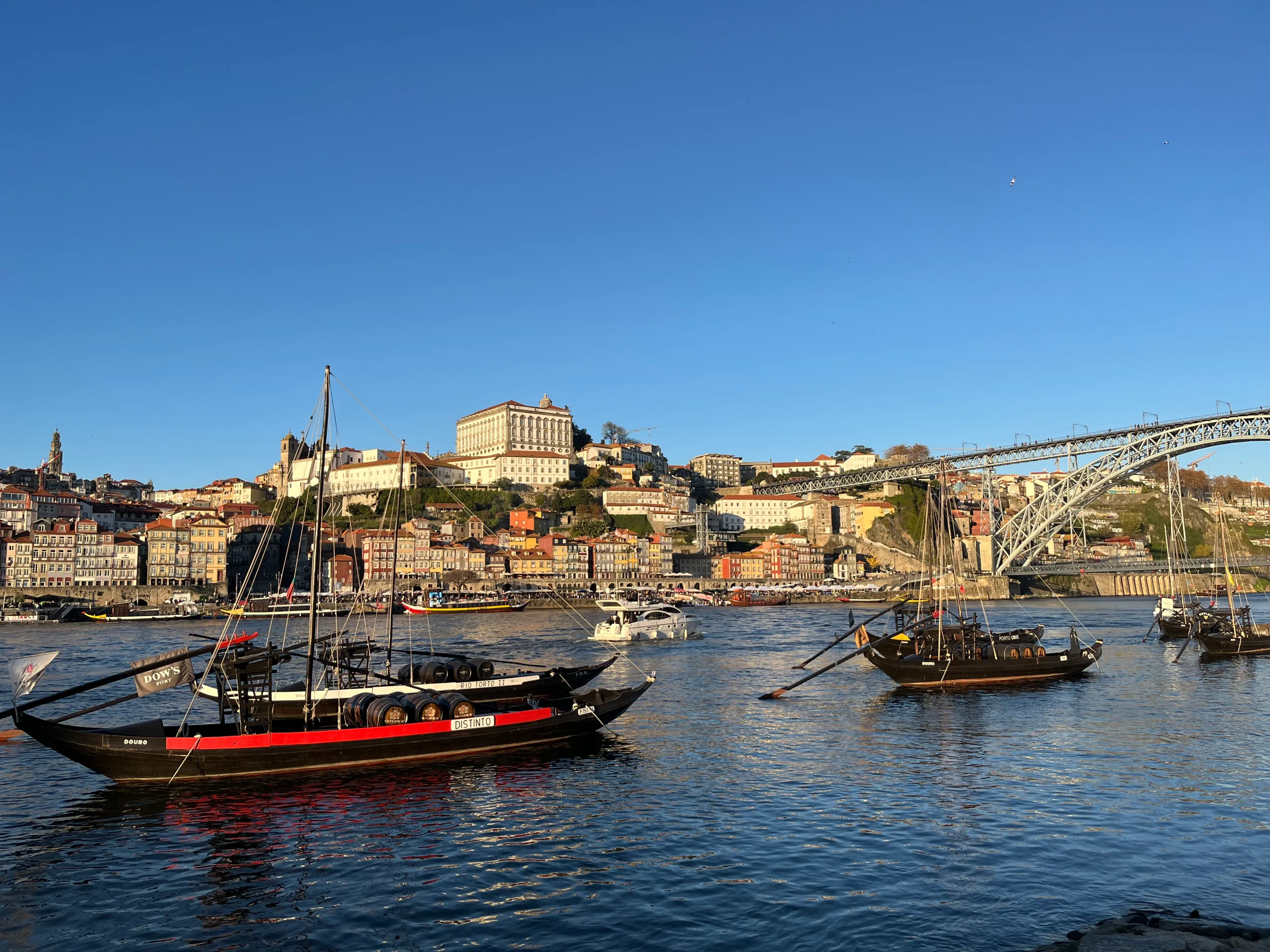
Porto - practical tips: airport transfer, metro and where to stay
In this article, we'll take you to a charming seaside town in Portugal, perfect for a short weekend getaway. We'll explain why it's worth visiting, provide tips on transport and accommodation, and list and describe the places worth visiting. Join us on a journey through magical Porto. Happy reading!
Table of contents:
Why visit Porto?
Porto is a less popular city for city breaks, but no less attractive. Compared to other major European cities, prices here are not excessively high, and outside the season, accommodation can be really affordable. Budget airlines don't fly here as often as to Italian or Spanish cities, but with a bit of luck and during less crowded months, you can find great deals. Flights to Porto operate from Warsaw, Krakow, Wroclaw, and recently also from Katowice, which significantly makes planning a short trip easier.
Porto, despite not being as large a city as most places chosen for city breaks, is really charming and hides a lot of interesting attractions and monuments worth visiting: colorful streets, historic churches, famous azulejos, beautiful viewpoints, and a seaside atmosphere. You'll learn more in the rest of the article!
Church Almas de Santa Catarina
Ribeira Promenade
View from Serra do Pilar viewpoint
Vila Nova de Gaia Promenade
How to get from the airport to Porto city center?
Aeroporto Francisco Sá Carneiro, Porto's main airport, is located about 10 km from the city center and is the second largest airport in Portugal, right after Lisbon. During the season, getting here from Poland with budget airlines is no problem, as there are quite a lot of connections.
Metro
The easiest, fastest, and cheapest way to get from the airport to the city center is by metro. Already in the arrivals area, you'll see clear signs and arrows pointing towards the metro, and there's a line on the floor that literally leads you all the way to the platform. The airport is served by the purple line E, which takes you directly to one of the main stations in the center - Trindade.
Metro signs at the airport
Tickets are purchased at machines located just before the entrance to the platform. A one-way fare costs €2.60, and when purchasing, you need to select zone Z4. The paper ticket (cardboard) must be validated in the yellow validator before entering the platform - only then does the ticket validity begin.
The journey to the center takes about 27 minutes, and the metro runs every 20-30 minutes. Current departure times can be checked on the official website: Link to en.metrodoporto.pt
Metro platform at the airport
Transport - How to get around the city?
Most attractions in Porto are located in the strict center, so we definitely recommend getting around on foot. It's the best way to not miss anything and to admire the beautiful architecture, narrow streets, and characteristic tiled buildings.
However, if you plan to go further - for example to the stadium (Estádio do Dragão), to gardens located outside the center, or to the coast of Foz do Douro - the most convenient option is to use the metro. It's best to head to the main station Trindade, as this is where all metro lines intersect and it's easiest to plan transfers.
The most central station is São Bento, through which the yellow line runs, connecting the northern and southern parts of Porto. The city is also building another metro line, which in the future will cover even more points in the center, making it easier for tourists and residents to get around.
Detailed information about lines, tickets, and current works can be found on the official website: Link to en.metrodoporto.pt
Porto metro map, source: https://en.metrodoporto.pt/
Where to stay in Porto?
There's really no shortage of accommodation in Porto's center - you'll find everything here: from simple rooms and apartments for rent, through atmospheric guesthouses, to more luxurious hotels with views of the city or the Douro River. Prices are very varied, so everyone should find something suitable for their budget.
It's worth browsing popular accommodation websites, as the selection is huge, and outside the season you can easily find great deals in very good locations, often even in the very center. If you care about quiet, you can consider districts located slightly off the beaten path, such as Vila Nova de Gaia or Bonfim - still close to the main attractions, but quieter and usually a bit cheaper. However, if you're planning to visit during the summer season, it's worth booking accommodation in advance, as Porto becomes very popular then and the best options disappear quickly.
Top attractions in Porto
We're leaving you a map of the most important places worth visiting, so that while walking around Porto you don't miss any of the attractions.
Map - https://maps.app.goo.gl/fVjtsXi8rjc9nfkX7
And we described all the attractions in a separate article, which we're leaving you a link to:
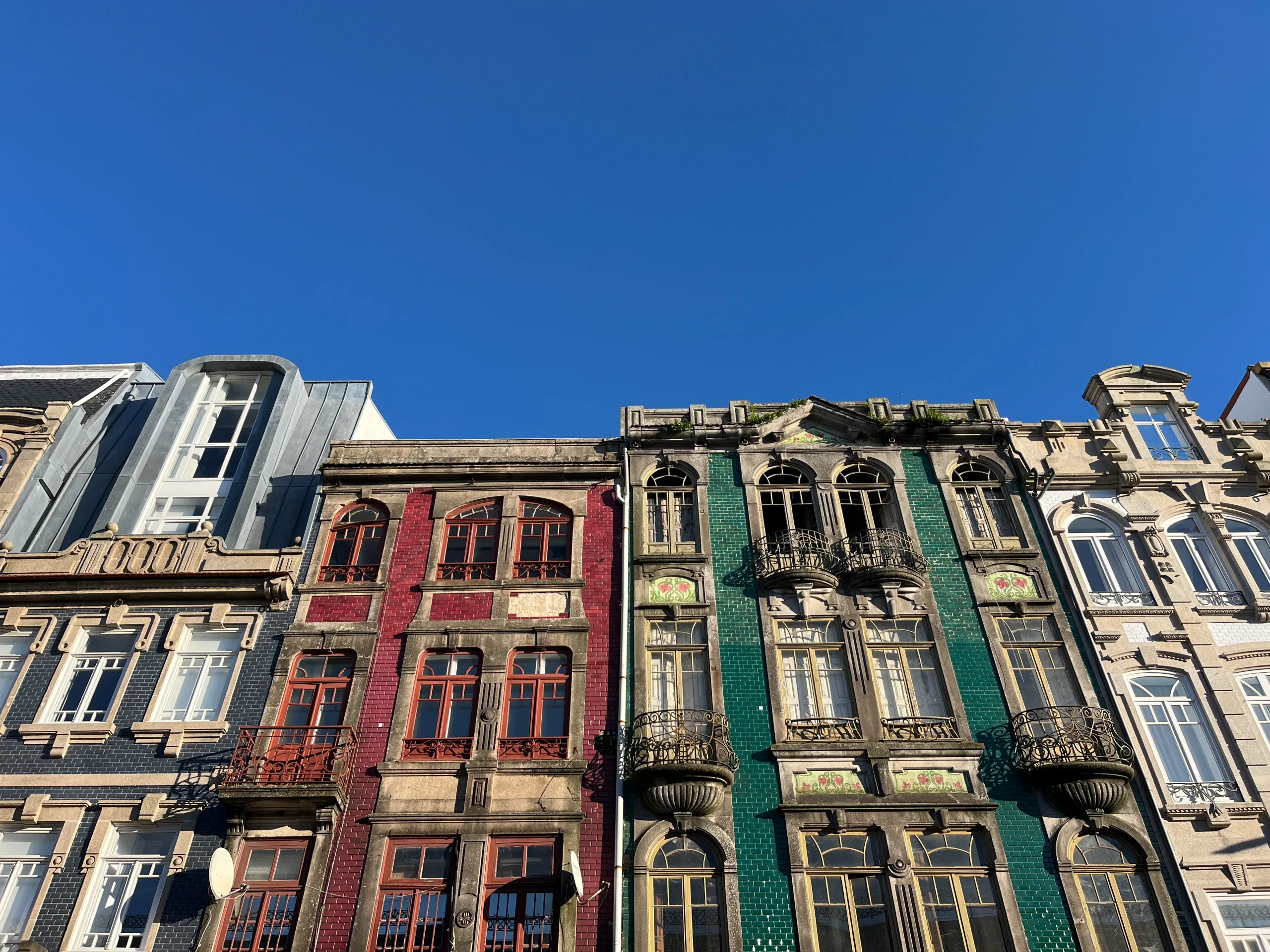
Porto - what to see: Ribeira, Lello, azulejos and wine cellars
The most important attractions of the city: the UNESCO World Heritage site old town, iconic azulejos, viewpoints, gardens, churches and famous wineries on the other side of the river. An ideal guide to the most beautiful places in Porto.
What to eat in Porto?
Portugal is also a culinary journey for us. Before the trip, we searched the internet for local dishes that you absolutely must try in Porto, and we managed to test a few of them. Below we describe the most popular Portuguese specialties along with short tips on where you can test them.
Francesinha
A Portuguese classic and real "fast food" in a local version. It's a sandwich resembling a toast, filled with different types of meat and cheese, baked under a thick layer of cheese and covered with a beer-based sauce. Sounds heavy and it is - the dish is fatty, very filling, but in our opinion definitely worth trying. The ingredients are usually of good quality, and the taste itself is really original.
There are many restaurants serving this dish, we went to the tiny restaurant Voltaria - Petisqueira Portuguesa, at R. de Afonso Martins Alho 109.
A recommended place is also Cafe Santiago, at R. de Passos Manuel 226.
Kale soup (Caldo Verde)
A delicate, creamy soup with kale and potatoes, often served with a slice of chorizo. Simple, cheap, and very Portuguese, often served as a starter.
Also served in the restaurants mentioned above, as well as many others in Porto. It's really not hard to find it.
Meat and cheese sandwiches
In Porto you'll find them practically at every turn - in bakeries, small bars, and cafes. Delicious, fresh rolls with good quality meat, cheese, and toppings. Perfect for a quick lunch between sightseeing.
Tested by us at Casa Guedes Tradicional, at Praca dos Poveiros 130 - we can honestly recommend them.
Roasted chestnuts
Chestnut sellers are a common sight in many cities, but it was in Porto where we were tempted to try them for the first time. Roasted chestnuts taste like a combination of potato and nut - soft, delicate after peeling from the skin. We didn't particularly like the taste, but it's worth testing. You can find them in many places in Porto, especially in more crowded ones.
Sardines
Being so close to the ocean, it's hard to pass by restaurants serving seafood indifferently. Sardines - most often grilled - are an absolute classic. Walking along the port, you can smell grilled fish. There's nothing to describe here, just try them yourself!
We went to a well-rated, atmospheric restaurant in Matosinhos - Petisqueira Godinho, at R. Godinho 144. The dishes were very good, but beware of additionally paid starters that the owner gives without asking, then adds them to the bill. Prices are not high, but we mention this so that no one is surprised when it comes to payment. If you're not going to the coast, there are also many restaurants serving sardines in Porto. Tested by us at Casa Guedes Tradicional, at Praca dos Poveiros 130 - we can honestly recommend them.
Bacalhau
A very popular snack - crispy on the outside and soft inside croquettes made of salted cod, potatoes, eggs, onions, and parsley. Perfect as tapas or a quick snack. They also come in various flavor variants.
Can be found in many restaurants, bars, or even cafes in Porto.
Pastéis de nata
After savory dishes, it's time for a dessert that we already loved in Madeira and here too it was hard to resist. These are delicate, French pastries filled with cream similar to pudding. Depending on the cafe, you'll find traditional versions or with the addition of various spices (e.g., orange). We warn you - you'll try them once and you'll eat them throughout the whole trip!
The most popular place in the center to try pastéis de nata is the cafe Castro - Atelier de Pastéis de nata, on the main road R. de Mouzinho da Silveira 61, famous for delicious fresh pastéis de nata made on site. The cafe is small and offers only one type of sweet snack, plus coffee and wine. We tested them and they're really amazing.
A place with good pastéis de nata is also the cafe Combi Coffee Roasters, at R. do Morgado de Mateus (it's best to go there before noon, as later the number of sweets may be limited)
Another cafe is Nata Sweet Nata - Porto 31 de Janeiro, as well as Nata Sweet Nata - Ribeira Porto.
According to reviews, it's also worth going to My Coffee Porto on the passage at Escadas do Codecal 22, where in addition to excellent desserts and coffee, there's a beautiful view of the Douro River.
Bolo de berlim
Soft, sweet donuts filled with custard cream or other flavors. Perfect with coffee - especially if you feel like something more caloric and very Portuguese. Available in many cafes in Porto.
Carambola cafe in Guimarães.
Practical tips
When to visit Porto?
You can visit Porto at virtually any time of year, but it all depends on what you expect from the trip. The best time for sightseeing is spring (April-June) and early autumn (September-October) - temperatures are pleasant then, the city is not so crowded, and accommodation prices are often lower than in season.
Summer (July-August) is the warmest and at the same time the most touristy period. Ideal if you plan to go to the beach in Foz do Douro or Matosinhos, but you have to expect larger crowds and higher prices.
Winter in Porto is mild, with temperatures around 10-15°C. It's a great option for a quiet city break, especially if you care about lower prices for flights and accommodation. However, you need to remember that this is the rainiest period of the year, although the city has so many attractions that the weather shouldn't interfere with sightseeing.
How much time to spend sightseeing?
To thoroughly explore the entire central part of Porto and visit the main attractions, 3 days are easily enough. There are really a lot of monuments, but most of them are located in the strict center, so you can easily move between them on foot and not miss anything along the way.
If you have more time, it's worth going outside the center, for example to the Porto coast - Foz do Douro or Matosinhos, where wide beaches, promenades, and a calmer atmosphere await. An excellent idea is also a train trip to other nearby towns, such as Braga, colorful Aveiro, or Guimarães, visited by us, the cradle of Portuguese history. It's a charming, small town with a beautiful, traditional old town and many valuable monuments. We definitely recommend it for a day trip.
You'll find more information about Guimarães in a separate article:
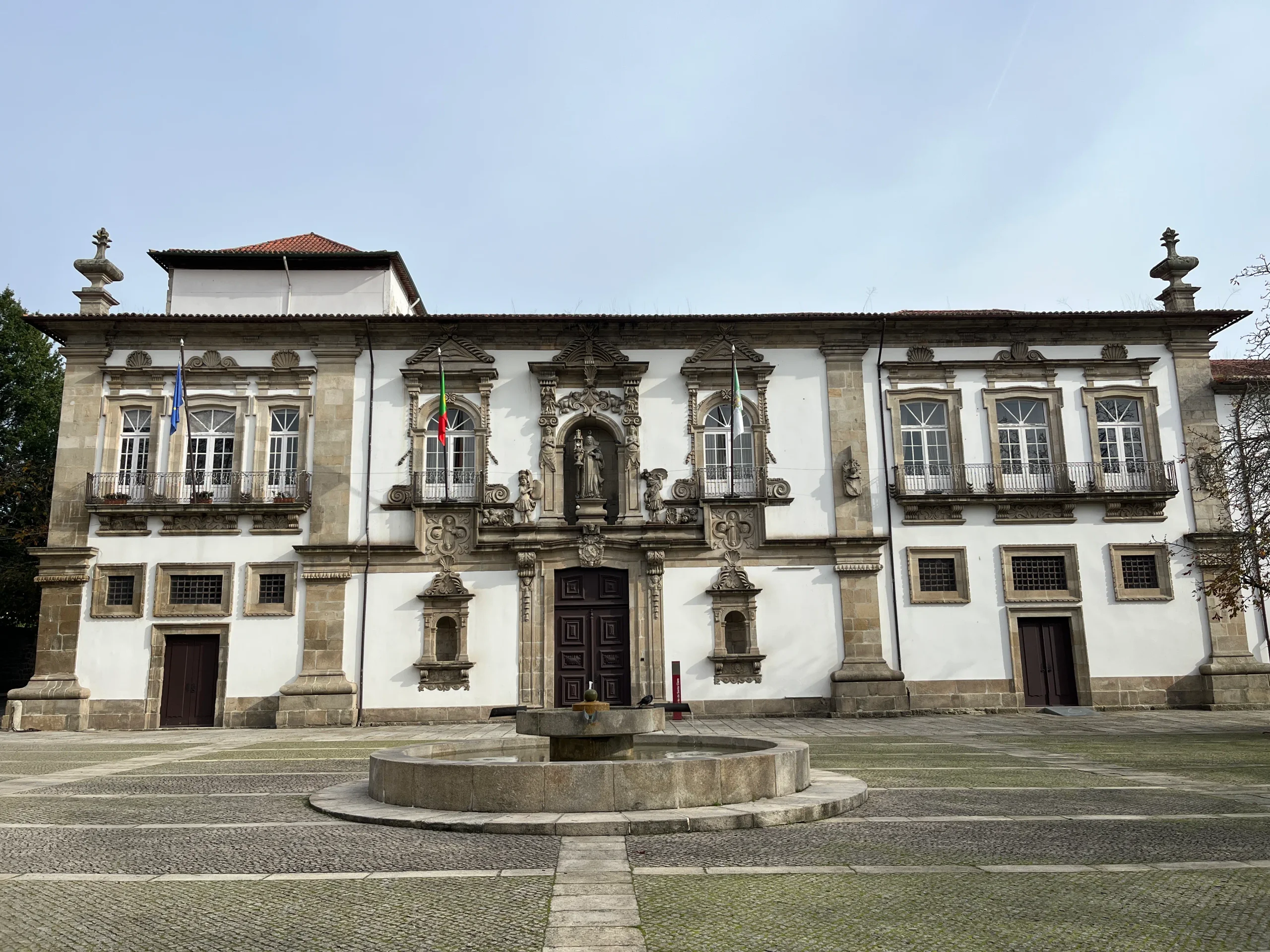
Guimarães - a one-day trip from Porto: castle, old town and Penha
Discover the cradle of Portugal just an hour's drive from Porto. An ideal proposal for a peaceful, full-day trip full of history and Portuguese charm.
Payments
In Porto you can pay by card practically anywhere - from restaurants to shops and tourist attractions. However, it's worth having a small amount of cash with you, as there are small bakeries or small family establishments that still prefer cash payment or have a minimum card transaction amount. Cash may also be useful at markets, in bakeries with pastel de nata, and from street chestnut sellers.
Safety
Porto is considered a safe city, both during the day and in the evenings. The center is well-lit, and the most popular places are full of people. Nevertheless, it's worth taking basic precautions - especially in crowded places such as around Ribeira, the Dom Luís I bridge, or at metro stations. Pickpockets can take advantage of moments of inattention, so it's best to keep your backpack or bag in front. Apart from that, Porto is really calm and tourist-friendly.
Azulejo
Azulejos are one of the most characteristic symbols of Porto, visible almost at every step. These are decorative, painted ceramic tiles - usually white and blue - which cover the facades of churches, tenement houses, train stations, and even ordinary houses. They depict religious, historical scenes or typical Portuguese ornaments. Azulejos give the city a unique atmosphere and are one of the reasons why Porto's architecture makes such a huge impression. The most beautiful ones can be seen at São Bento station, in the Carmo church, the Almas de Santa Catarina chapel, or the Santo Antonio dos Congregados church.
Azulejo on Capela das Almas de Santa Catarina
Igreja Paroquial de Santo Ildefonso
Igreja de Santo Antonio dos Congregados
Frequently asked questions
How do I get from Porto airport to the city center?
The easiest and cheapest way is by metro. Take the purple line E from the airport directly to Trindade station in the center. The journey takes about 27 minutes and costs €2.60 (select zone Z4). Metro runs every 20-30 minutes. Look for clear signs and floor markings that lead you to the platform. Remember to validate your cardboard ticket in the yellow validator before entering the platform.
How do I get around Porto?
Most attractions are in the center, so walking is best - that way you won't miss the beautiful architecture and narrow streets. For longer distances (the stadium, the Foz do Douro coast, the gardens), use the metro. The main station is Trindade, where all lines intersect, and São Bento is the most central station, with the yellow line connecting north and south Porto. You can pay by card practically everywhere.
Where should I stay in Porto?
The center offers everything from simple rooms to luxury hotels with Douro River views. Prices vary greatly, and outside the season you can find great deals in excellent locations. For a quieter stay, consider Vila Nova de Gaia or Bonfim - close to the attractions but calmer and cheaper. Book in advance for summer (July-August), as Porto gets very popular and the best options disappear quickly.
When is the best time to visit Porto?
Spring (April-June) and early autumn (September-October) are ideal - pleasant temperatures, fewer crowds and lower accommodation prices. Summer (July-August) is the warmest and most touristy, perfect for the beaches in Foz do Douro or Matosinhos, but expect crowds and higher prices. Winter is mild (10-15°C) and cheaper, though it's the rainiest season - still great for a city break with many indoor attractions.
What should I eat in Porto?
Must-try dishes: francesinha (a meat and cheese sandwich in beer sauce, heavy but original), pastéis de nata (puff-pastry custard tarts - try them at the Castro café on R. de Mouzinho da Silveira 61), grilled sardines (especially in Matosinhos), bacalhau (cod croquettes), caldo verde (kale soup), and fresh meat sandwiches from Casa Guedes Tradicional at Praça dos Poveiros 130. Bolo de Berlim (custard donuts) are perfect with coffee.
And if you want to stay up to date with more travel inspirations, check out our socials!